Car Shakes When Braking in Dubai? 7 Causes & Fixes
Car Shakes When Braking in Dubai? 7 Causes and When to Get Brake Repair
Does your car shake, vibrate or pull to one side when you press the brake pedal? A shaking car when braking can indicate worn brake components, uneven brake discs, suspension problems or an issue with your wheels. If you notice this problem while driving in Dubai, do not ignore it. Finding the cause early can help protect your braking performance and prevent further damage.
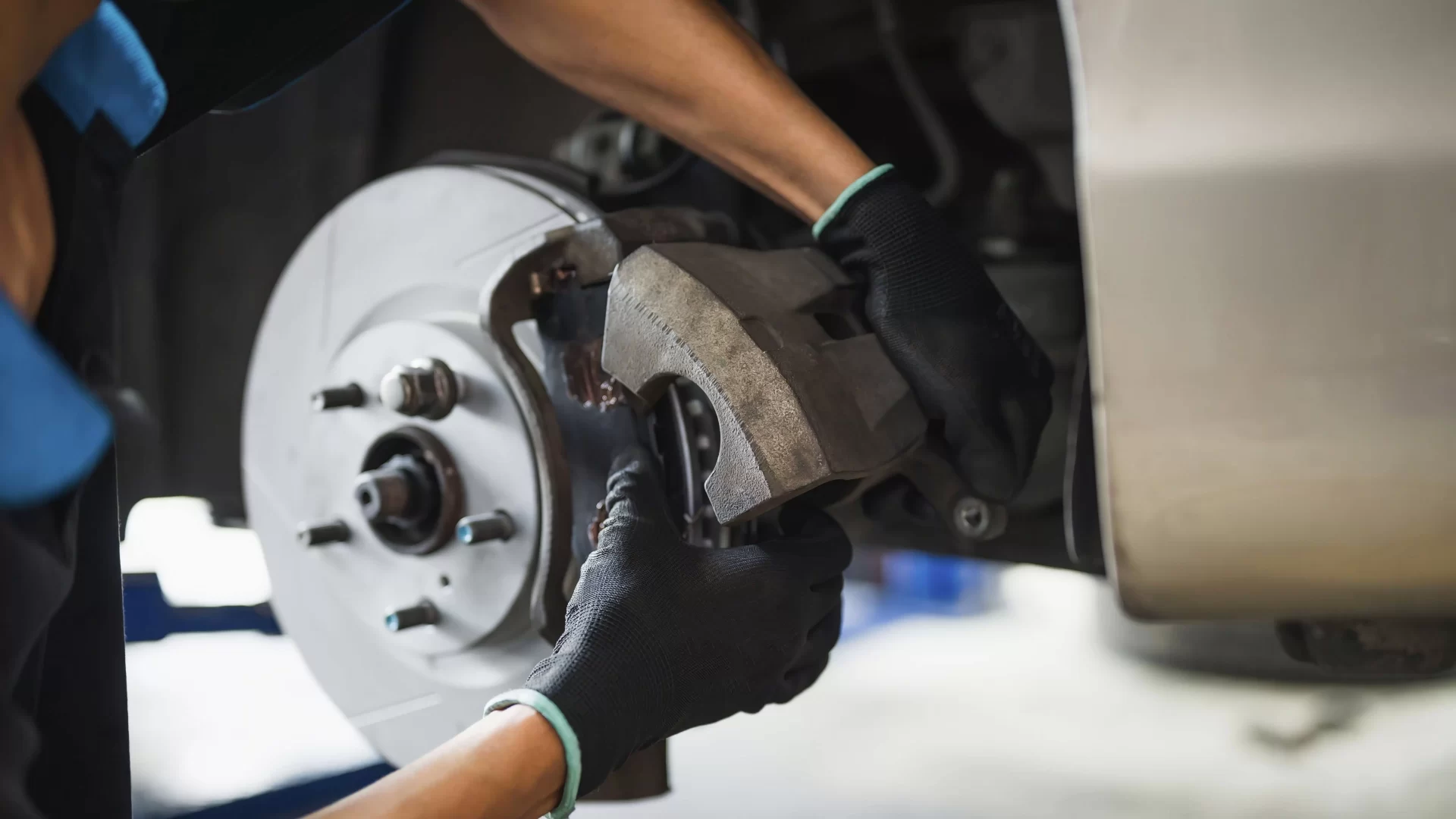
Your braking system works every time you slow down or stop. In busy Dubai traffic, frequent braking can put considerable use on brake pads, discs and other components. Heat, normal wear and mechanical faults can affect how smoothly your vehicle stops.
In this guide, Ultra Line Auto Service explains seven possible reasons your car shakes when braking, the warning signs to watch for and when to arrange a professional brake repair in Dubai.
Why Does My Car Shake When Braking?
A car may shake when braking because the braking force is not being applied evenly, or because a wheel, steering or suspension component has excessive movement. You may feel the vibration through the steering wheel, brake pedal, floor or entire vehicle.
Pay attention to when the shaking happens. Does it start only when you press the brakes? Does the steering wheel vibrate more at higher speeds? Does the car pull to one side? These details can help a technician identify where to investigate.
7 Common Causes of a Car Shaking When Braking
1Uneven or Damaged Brake Discs
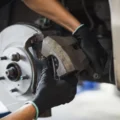
Brake discs, also called brake rotors, provide the surface that the brake pads grip to slow your vehicle. If a disc develops uneven thickness, surface deposits or excessive runout, the braking force can vary as the wheel rotates.
This may cause a pulsating brake pedal or steering wheel vibration, particularly when slowing down from higher speeds. Repeated heat and friction can contribute to disc wear and braking judder.
What to do: Have the brake discs measured and inspected. Depending on their condition and manufacturer specifications, resurfacing or replacement may be recommended.
2Worn or Uneven Brake Pads
Brake pads gradually wear down through normal use. If the pads wear unevenly, become contaminated or develop an inconsistent contact surface, braking may feel rough or less smooth.
Other warning signs can include squeaking, grinding sounds, reduced braking response or a brake wear warning on vehicles equipped with a sensor.
What to do: Arrange a brake pad inspection. If the pads are below the manufacturer's recommended thickness or damaged, replacement may be necessary. The discs and calipers should also be checked.
3A Sticking Brake Caliper
A brake caliper applies pressure to the pads when you press the brake pedal. If a caliper piston or slide pin sticks, the brake pad may remain in contact with the disc when it should release.
This can cause uneven braking, excessive heat, premature pad wear and sometimes a vehicle that pulls to one side.
What to do: Have the caliper, piston, slide pins and brake components inspected. A sticking caliper should be addressed promptly because it can affect safe braking.
4Worn Suspension or Steering Components
Your suspension and steering systems help keep the wheels stable and maintain control of the vehicle. Worn control arm bushes, ball joints, tie rod ends or other components can allow unwanted movement.
This movement may become more noticeable when braking because the vehicle's weight shifts forward. You might experience steering wheel vibration, knocking sounds or unstable handling.
What to do: A professional inspection should include the relevant suspension and steering components. Visit our suspension repair service page to learn more.
5Tyre or Wheel Problems
Damaged tyres, uneven tyre wear, bent rims or wheel imbalance can cause vibration. Sometimes the problem is present while driving normally but becomes more noticeable when braking.
Incorrect tyre pressure or visible tyre damage can also affect handling and vehicle stability. Do not assume every vibration is caused by the brakes.
What to do: Have the tyres, rims, wheel balance and wheel condition checked. If the vibration continues even when you are not braking, tell the technician.
6Worn Wheel Bearings or Hub Problems
Wheel bearings allow the wheels to rotate smoothly. A worn bearing or a problem with the wheel hub can cause humming, grinding, looseness or vibration.
In some cases, excessive movement or incorrect mounting at the hub can also affect how the brake disc rotates and contribute to braking vibration.
What to do: Ask for a wheel bearing, hub and brake disc mounting inspection. These components should be checked before deciding which part needs repair.
7ABS or Brake System Problems
The Anti-lock Braking System (ABS) helps prevent the wheels from locking during hard braking. During an emergency stop, a rapid pulsing sensation in the brake pedal can be normal ABS operation.
However, repeated pulsing during ordinary braking, an illuminated ABS warning light or unusual braking behaviour may indicate a fault that needs diagnosis.
What to do: Have the braking system inspected and the ABS fault codes checked where necessary. Our car diagnostics service can help investigate electronic warning lights and system faults.
How to Identify Where the Vibration Is Coming From
The location and timing of the vibration can provide useful clues, although they cannot confirm the fault without an inspection.
- Steering wheel shakes: Front brake discs, front suspension or steering components may need inspection.
- Brake pedal pulses: Brake disc thickness variation, runout or ABS operation may be involved.
- Entire car shakes: Brake, wheel, tyre or suspension problems may be responsible.
- Car pulls to one side: Uneven braking, a sticking caliper, tyre problems or suspension faults should be checked.
- Vibration continues without braking: Tyres, wheel balance, bearings or other rotating components may be involved.
Is It Safe to Drive a Car That Shakes When Braking?
It depends on the cause and severity, but brake vibration should never be ignored. A minor vibration can be an early sign of a developing problem, while severe shaking may indicate a fault that affects vehicle control or braking performance.
Stop in a safe place and arrange professional assistance if you notice:
- Sudden or severe shaking when applying the brakes.
- Reduced braking power or a brake pedal that feels unusually soft.
- The vehicle pulling strongly to one side.
- Grinding noises or a burning smell from the wheels.
- A brake warning light together with unusual braking behaviour.
- Unstable steering or a feeling that the vehicle may not stop properly.
Why Brake Problems Need Attention in Dubai
Dubai driving conditions can involve heavy traffic, frequent stopping and long periods of air-conditioning use. Braking components naturally experience friction and heat during operation. In hot weather, it is especially important not to ignore unusual smells, noises or changes in braking behaviour.
Regular vehicle maintenance and timely brake inspections can help identify worn pads, disc problems and other developing faults before they become more serious. Follow your vehicle manufacturer's recommended maintenance schedule and have unusual symptoms checked without delay.
What Happens During a Professional Brake Inspection?
A proper brake inspection helps identify the actual reason your car shakes when braking. Depending on the symptoms and vehicle, a technician may:
- Inspect front and rear brake pads for wear or damage.
- Check brake discs for surface damage, thickness variation and runout.
- Inspect calipers, pistons and slide pins.
- Check brake fluid condition and visible leaks.
- Inspect wheel bearings, hubs, tyres and rims.
- Check relevant suspension and steering components.
- Scan the ABS system for fault codes when required.
The recommended repair will depend on the inspection results and the manufacturer's specifications. Replacing parts without confirming the cause can lead to unnecessary costs and may leave the original problem unresolved.
When Should You Book Brake Repair in Dubai?
Arrange a brake inspection if your car repeatedly shakes when slowing down, the brake pedal pulses during normal driving, or you hear unusual noises from the wheels. Early diagnosis can help identify the issue and determine whether the vehicle needs brake pad replacement, disc repair, caliper service or attention to another component.
If you are looking for a car garage in Deira, Dubai, Ultra Line Auto Service LLC provides vehicle inspection, maintenance and repair services. Our team can help investigate braking symptoms and recommend the appropriate next steps.
Car Shaking When Braking? Get It Checked
Do not ignore unusual brake vibration or changes in stopping performance. Contact Ultra Line Auto Service to discuss your vehicle's symptoms and arrange a professional inspection at our garage in Al Khabaisi, Deira, Dubai.
Call +971 52 311 1465 Explore Brake RepairFrequently Asked Questions
1. Why does my car shake when I press the brakes?
Common causes include uneven brake disc surfaces, worn brake pads, sticking calipers, suspension problems and wheel or tyre faults. A professional inspection is needed to identify the exact cause.
2. Can worn brake pads cause a car to shake?
Unevenly worn, contaminated or damaged brake pads can contribute to inconsistent braking and vibration. The brake discs and calipers should also be inspected.
3. Why does my steering wheel shake when braking at high speed?
Brake disc thickness variation or runout can cause steering wheel vibration during higher-speed braking. Worn suspension, wheel and tyre components can also contribute.
4. Can I drive if my car shakes when braking?
You should not ignore the problem. If the vibration is severe, braking performance is reduced, the car pulls strongly or the pedal feels unsafe, stop in a safe place and arrange professional assistance.
5. How do I know if my brake discs need replacement?
Vibration, scoring, cracks or excessive wear may indicate a disc problem. A technician should measure disc thickness and runout and compare the results with the manufacturer's specifications before recommending replacement.
6. Does Dubai's hot weather affect car brakes?
Brakes generate heat during normal use, and repeated braking can increase temperatures. If you notice unusual vibration, burning smells or reduced braking performance, arrange an inspection.
7. Where can I get brake repair in Deira, Dubai?
You can contact Ultra Line Auto Service LLC in Al Khabaisi, Deira, Dubai, to discuss brake inspection and repair. Call +971 52 311 1465 for assistance.
Further Reading
For additional information about brake vibration and vehicle safety, see these independent automotive resources:
- AAA: Why Your Steering Wheel Shakes
- RAC: Why Does My Car Shake When I Brake?
- The AA: Steering Wheel Shaking
This article provides general vehicle maintenance information and is not a substitute for a professional inspection. The correct repair depends on the vehicle, the symptoms and the condition of its components.